SmartyMe App for Travel: Learning on the Move
Travel breaks routines, which is usually the moment learning habits collapse. The morning lesson that fit so neatly into a coffee break at home suddenly has no place when you're sitting in an airport or waking up in a different time zone. That gap is where the SmartyMe App actually proves useful in a different way than at home, because the format that was designed for short breaks at home turns out to fit dead time on the road even better.
Why Travel and Microlearning Match Up
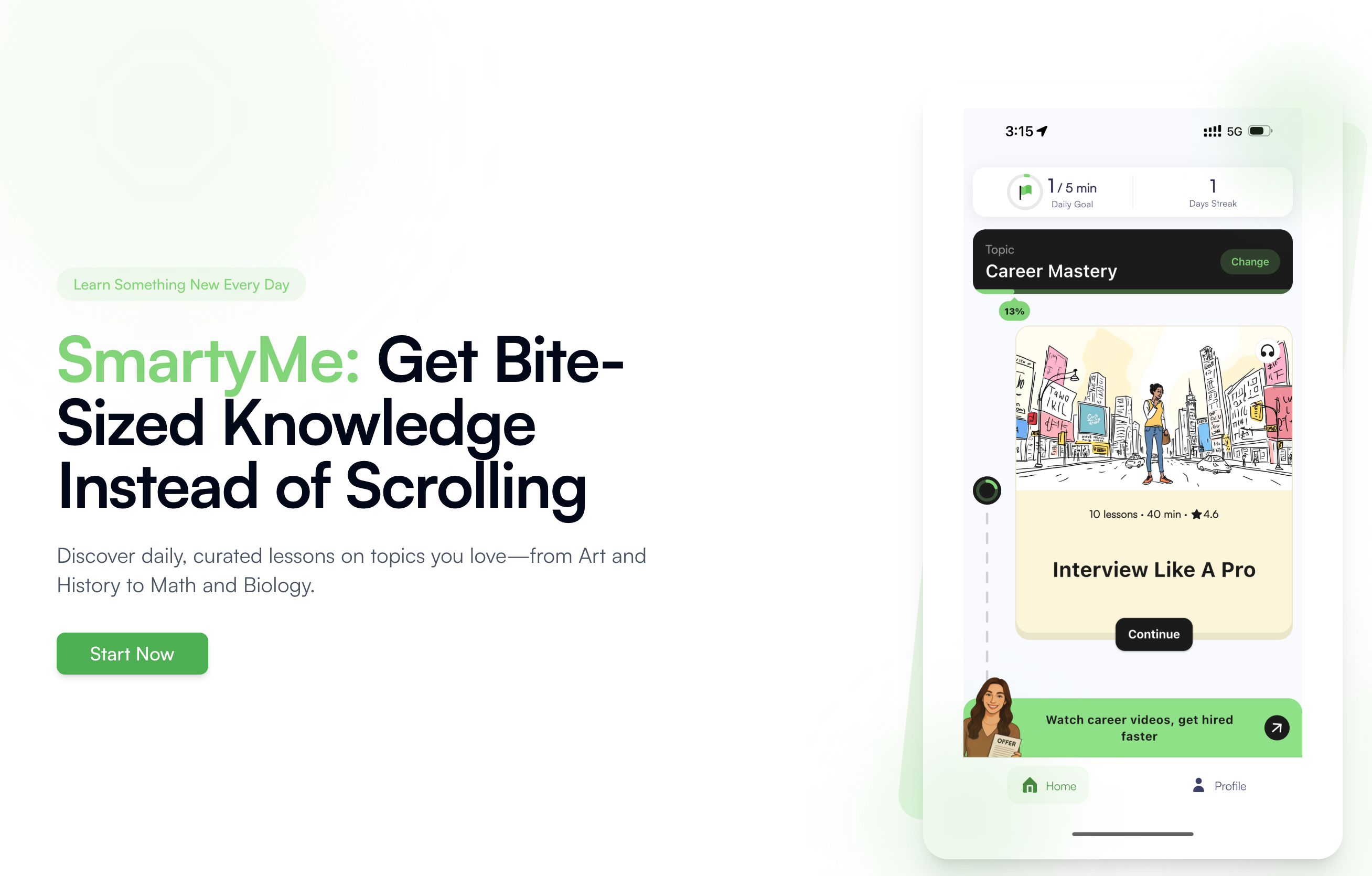
The honest reason microlearning works during travel is simple: travel days are full of waiting. Waiting for boarding, waiting in a security line, waiting for a delayed train, waiting in a hotel lobby. These are 10-15 minute windows that usually get spent scrolling social feeds. The format of a typical lesson, approximately 10-15 minutes, fits exactly into them without needing any planning.
Audio mode helps even more in this context. Reading on a phone in a moving vehicle, with poor lighting, or with eyes tired from screens, is rarely pleasant. Listening through headphones removes that friction entirely. You can do a lesson while walking through an unfamiliar city, riding a long taxi to a hotel, or unwinding after a flight.
The Topics That Travel Well
Some topics fit travel better than others. Psychology and behavioral lessons land well during long transfers because they give you something to think about between locations. History fits well when you're heading somewhere with cultural depth, since a few short lessons before arrival add useful context. Communication and soft skills lessons are practical for work trips where the goal is meetings and not sightseeing.
With 20 topics, 203 courses, and 1064 lessons available as of April 2026, there's enough range to pick something that matches the trip rather than just defaulting to whatever's open. Some users plan a small theme for each trip, with one related topic for the week, which adds a layer of intention to the time spent traveling. For ideas on which subjects deliver the most in shorter sittings, https://www.reddit.com/r/Smartymeapp/comments/1qwh0wv/best_topics_in_smartyme_right_now_and_what_you/ has community recommendations worth a look.
Where the Format Falls Short on Trips
The honest counterpoint matters. Travel sometimes means very long flights or train journeys, and a 10-15 minute lesson is not built to fill three hours of cabin time. For those stretches, the format is best treated as one option among several rather than the main activity. Listening to one lesson, taking a break, listening to another later is more sustainable than trying to do eight back to back.
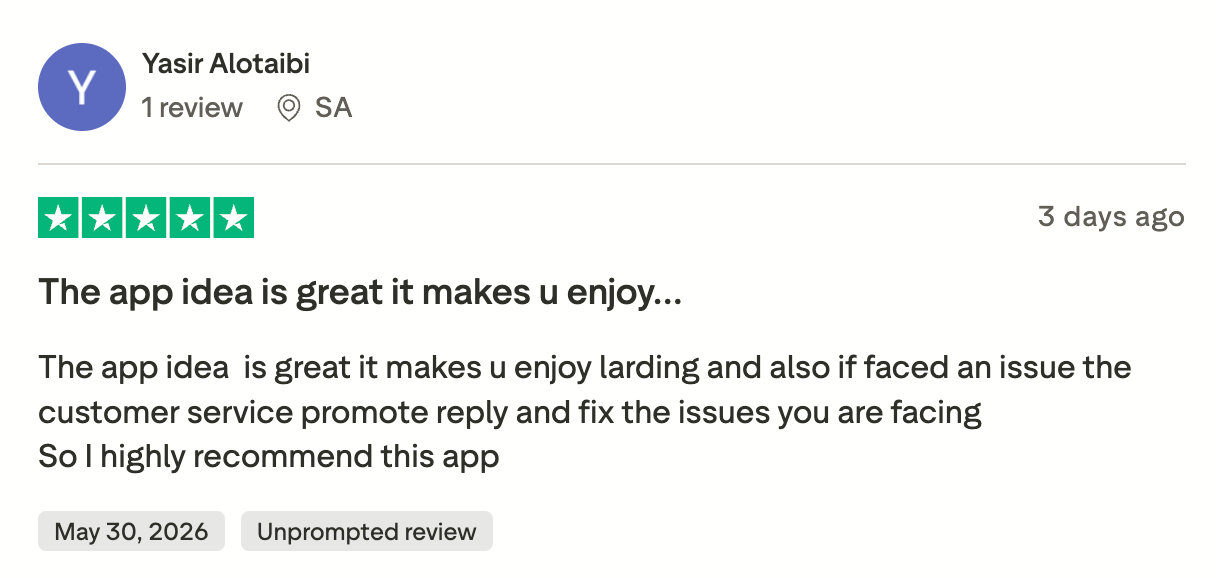
There's also the question of internet access. Audio learning on the go works best when content is available without a strong connection. Users who travel through areas with patchy reception sometimes mention this as a friction point in user discussions. It's not a dealbreaker, but worth knowing before you rely on the app for a long offline stretch. Reading what users actually wrote in their own words gives a more useful picture than a star count alone.
What Long-Term Travelers Notice
Among users who travel often, the same pattern shows up: the streak helps. Knowing there's a daily lesson waiting keeps a thread of routine alive when everything else is shifting. It's a small anchor in a day that otherwise has no shape. The app's current rating sits at 4.6 on the US App Store (April 2026) and 4.1 on Trustpilot (April 2026), and feedback from travelers in particular tends to lean toward the positive end, mostly because the audio mode fits how they already use their phones.
A Useful Companion for the Road
For someone who wants their time on the road to leave them with more than just a slightly longer feed history, mobile learning of this kind is a reasonable addition. It won't replace deep reading on a long flight or formal study during a sabbatical, but it adds a small amount of useful input across a trip that would otherwise produce nothing of value. The format fits travel because travel and short attention windows have always belonged together, and microlearning just put a structure on that.