Cross channel attribution dashboards for transparent marketing decisions
When multiple channels run at once, teams often optimize based on partial data and platform biased reports. Many companies partner with a web development company in Ukraine to connect tracking, CRM, and reporting so every lead and sale can be attributed consistently ✨. This article explains how cross channel attribution dashboards create a single view of spend, performance, and revenue.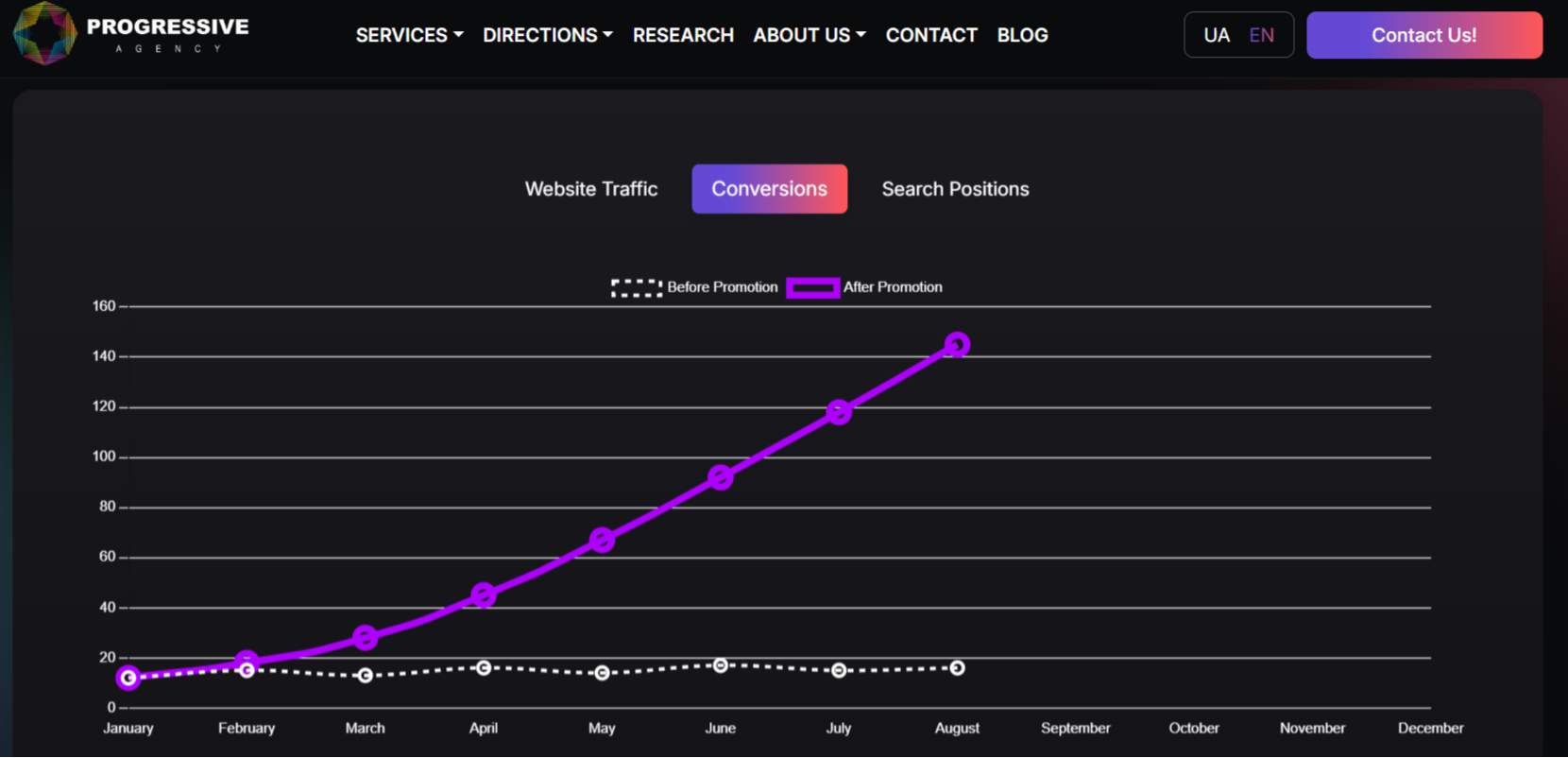
Defining conversions and revenue signals before building reports
Dashboards fail when KPIs are unclear. The first step is defining primary conversions such as purchases, booked calls, qualified leads, and retained subscriptions, plus secondary actions like add to cart or pricing page clicks ✅. Each KPI needs a single definition, a consistent event name, and a clear ownership rule so numbers do not change depending on who exports the report ✨.
Data sources that must be unified for attribution
True attribution requires more than website analytics. Typical inputs include ad platform spend, website events, call tracking, booking tools, and CRM outcomes such as qualified stage, won revenue, or repeat purchases ✅. Without CRM linkage, dashboards only show clicks and form submits, which can hide low quality lead sources. With unified data, decisions shift from volume to profitability ✨.
Attribution logic that avoids platform bias
Ad platforms report conversions using their own view and click windows, which often double counts performance when channels overlap. Dashboards should separate platform reported results from consistent analytics based conversions ✅. A practical approach uses one primary attribution model for decision making and keeps platform views for campaign optimization. This reduces argument cycles and makes budgeting more rational ✨.
Information blocks that make dashboards usable for teams
Dashboards should be built as a set of repeatable blocks, not one giant page. Core blocks include spend by channel, conversion funnel, cost per qualified lead, revenue by source, and trend lines with annotations for launches and site changes ✅. Segment filters such as location, product line, or audience cohort make insights actionable rather than generic ✨.
Training guide to build a cross channel dashboard step by step
Use this checklist to deliver dashboards that stakeholders trust ✅.
- Define KPI dictionary and event naming standards
- Audit tracking and fix missing or duplicate events ✨
- Connect ad spend sources and normalize channel names
- Link CRM outcomes to leads using IDs or UTMs
- Build core blocks spend leads quality revenue and trends ✅
- Add segmentation filters and annotation workflow
- Validate totals against raw sources and document logic ✨
- Set a monthly QA routine to prevent drift
Practical do and do not rules for accurate attribution
- ✅ Enforce UTM standards across every campaign and partner link
- ✅ Separate website conversions from map and call conversions
- ✅ Track lead quality stages not just form submits
- ❌ Do not change event definitions mid month without a change log
- ❌ Do not rely on last click only when funnels are long
Conditions table for predictable dashboard delivery
Clear conditions reduce delays and protect accuracy ✅.
| Condition | Recommended baseline | Why it matters |
|---|---|---|
| KPI dictionary | 5 to 10 core KPIs | One source of truth ✅ |
| Integrations | Ads analytics CRM calls | End to end view ✨ |
| Naming governance | Channel and campaign standards | Clean comparisons |
| Dashboard blocks | Spend funnel revenue trends | Fast decisions ✅ |
| QA cadence | Monthly audits and notes | Prevents drift ✨ |
What transparent decisions look like after launch
With attribution dashboards, teams can see which channels produce qualified outcomes, which pages convert, and where drop offs happen. Budget shifts become evidence based, creative tests are judged by revenue impact, and reporting becomes consistent across stakeholders ✅. When maintained with governance and QA, dashboards turn marketing into a controllable system rather than a debate over conflicting numbers ✨.